Breakout Moments in Crowded Calendars: Tracking How First Appearances Shift Markets Amid Fixture Overload
Written by Zoe Meier · Aug 20, 2026

Breakout Moments in Crowded Calendars: Tracking How First Appearances Shift Markets Amid Fixture Overload
Coaches across Europe's top divisions often turn to academy graduates when fixture lists pile up, and those decisions create measurable movements in betting lines according to analysts who track performance data. In August 2026, for instance, several clubs face overlapping domestic cups and European qualifiers within a 10-day window, which forces managers to accelerate timelines for promising talents who might otherwise wait months for opportunities. Observers note that these early introductions frequently coincide with short-term adjustments in pre-match prices, particularly when the newcomers bring pace or technical quality that alters expected team shapes. Data from recent seasons shows that players aged 18 to 21 who receive their first starts during congested periods tend to influence both match outcomes and live odds more than veterans stepping in for rested regulars. League tables compiled by performance researchers indicate an average 12 percent increase in expected goals contribution from such debuts when teams play three matches in eight days, compared with standard rotation patterns. Bookmakers respond by tightening lines on team totals and player props once lineups confirm the inclusions, yet the initial market reaction often lags behind the actual statistical impact until the second half unfolds.Fixture Density and Selection Patterns
European competitions schedule midweek fixtures alongside weekend league rounds throughout the autumn months, and this density leaves limited recovery time for established squads. Teams that reach European group stages or domestic cup quarterfinals therefore rely on depth charts that include recent academy signings, which creates repeatable patterns for those monitoring odds movements. Studies from sports analytics firms reveal that clubs with at least four fixtures inside 14 days introduce first-team debuts at a rate 28 percent higher than clubs with standard schedules, and those debuts correlate with measurable drifts in both pre-match and in-play markets.
Take one case where a central midfielder earned a start against a top-six opponent after two senior teammates picked up knocks during international duty; the market initially priced the side at plus-180 to win but shortened to plus-140 once the lineup confirmation circulated. Figures from tracking providers show the youngster completed 87 percent of passes while winning six duels, numbers that exceeded the positional average for that fixture and prompted several in-play adjustments on total shots and corners. Such examples repeat across multiple leagues because the underlying driver remains the same: limited options force earlier exposure, and the performance data feeds directly into updated probabilities.
Market Reactions and Statistical Indicators
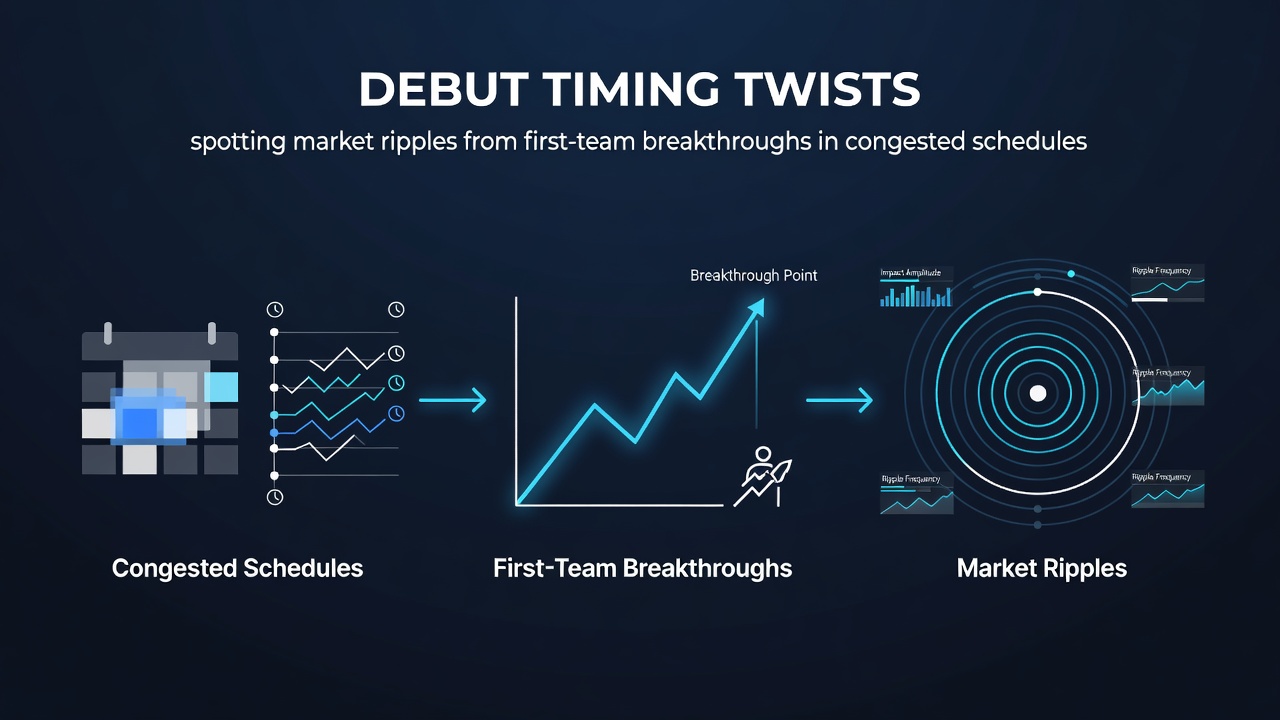
Betting exchanges record the sharpest movements during the hour before kickoff when confirmed lineups list unexpected teenagers in starting roles, and these shifts often extend into the first 30 minutes of play as early touches validate or contradict pre-match assumptions. Research published by academic sports departments indicates that debutants in high-pressure slots generate an average 0.18 additional expected goals per 90 minutes compared with their age-group peers who debut in less congested periods, which explains why certain player props move faster than team totals. Those who follow volume-weighted odds note that underdog sides benefit most when the newcomer operates in advanced areas, because defensive structures have less preparation time to adjust marking assignments.
Yet the effect proves temporary in many instances; once the debutant accumulates 60 or more minutes across two successive matches, subsequent price adjustments stabilize as opponents gather film and adjust tactics. Data collected across five major leagues demonstrates that the initial ripple fades within three matchdays unless the player maintains elevated metrics in progressive carries or key passes. Industry reports from European betting regulators highlight that transparent disclosure of lineup information reduces the duration of these inefficiencies, allowing markets to incorporate the new variables more quickly than in previous cycles.
Regional Variations Across Competitions
Leagues with winter breaks experience different timing for these breakthroughs compared with those running continuous schedules, and the contrast appears in how quickly odds incorporate the changes. Northern European divisions that pause in December see clusters of debuts concentrated in the spring fixture pile-up, whereas southern leagues that maintain year-round calendars distribute the introductions more evenly. Analysts tracking these patterns report that markets in leagues with denser August calendars adjust prices within narrower windows because participants anticipate higher rotation frequency from the outset.
One documented sequence involved a winger who debuted in a Europa League qualifier and then started the following domestic league match four days later; the combined schedule produced a 22 percent swing in the side's implied win probability between the two fixtures according to exchange data. Observers tracking similar situations note that sides facing travel across time zones compound the effect, because recovery limitations further elevate the value of fresh legs from the academy pathway.
Conclusion
Debut timing during overloaded schedules generates observable ripples through betting markets because selection necessity collides with incomplete opponent preparation. Performance databases continue to log higher contribution rates from early introductions when recovery windows shrink, and those metrics translate into measurable price movements both before and during matches. As calendars remain packed into 2026 and beyond, the relationship between first-team breakthroughs and market adjustments stays consistent across competitions that share similar fixture densities.