Congested Midweek Calendars Reshaping Accumulator Approaches in Early Domestic League Weeks
Written by Bianca Schmid · Aug 20, 2026
Congested Midweek Calendars Reshaping Accumulator Approaches in Early Domestic League Weeks
Domestic leagues across Europe experience fixture congestion when teams play multiple matches within short timeframes, and data from the 2025/26 season onward shows these patterns directly influence how early-week accumulators form. Leagues such as the Premier League, Bundesliga, and Serie A schedule midweek rounds that create recovery gaps of 48 to 72 hours between games, and betting markets adjust opening lines accordingly as historical performance metrics become available.
Researchers tracking match schedules note that August periods often feature additional European qualifiers alongside domestic cups, which extends the number of teams facing three games in eight days. In August 2026 the pattern repeats with several clubs entering the new campaign after continental ties, and performance databases indicate win rates for those sides drop by an average of 12 percent compared to sides with full weeks between fixtures.
Schedule Patterns Driving Congestion
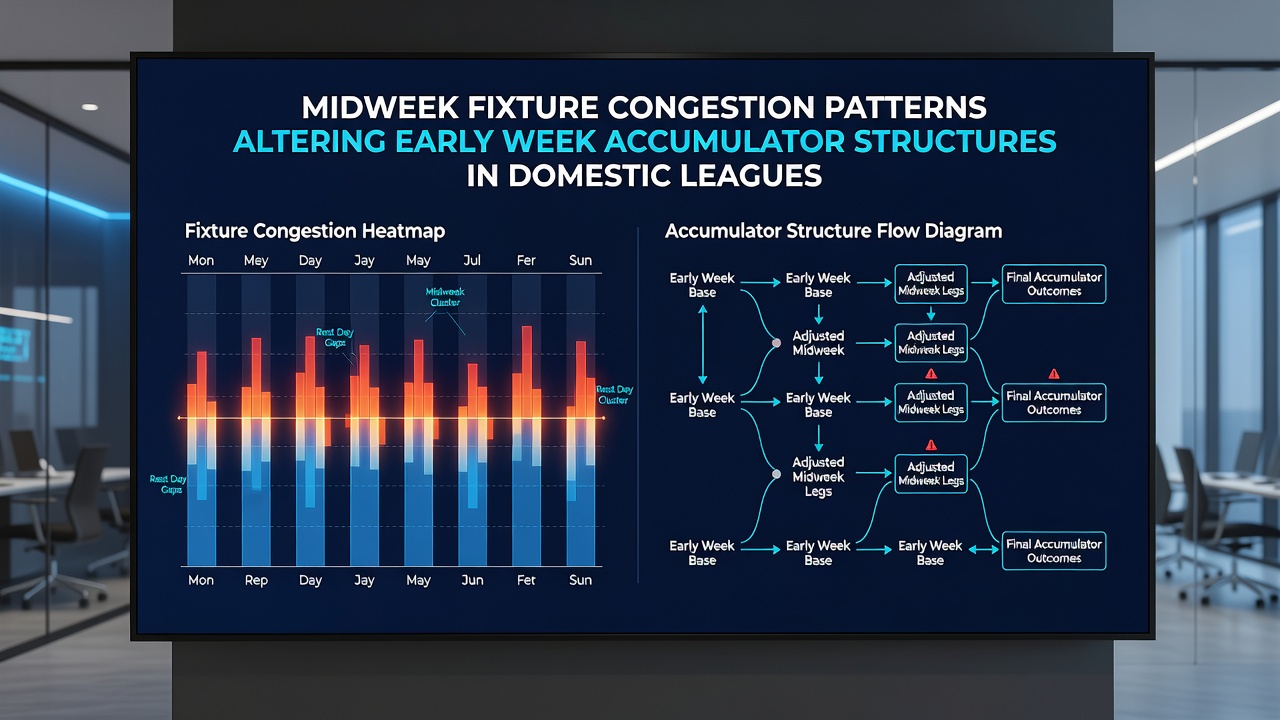
League calendars place midweek rounds after international breaks or around cup replays, and this creates clusters where four or five teams in the same division play twice in four days. Observers tracking the Bundesliga and La Liga find that these clusters occur most frequently in September, November, and February, while August 2026 data already shows early signs of similar pressure points for clubs involved in both league and European fixtures.
Teams with smaller squads rotate players more aggressively during these periods, and statistics from Opta records reveal that starting elevens change by at least four players on average in congested weeks. This rotation alters expected goal differentials and clean sheet probabilities that feed into Monday and Tuesday accumulator constructions.
Effects on Accumulator Line Construction
Early-week betting structures rely on fresh lines released after weekend results, yet midweek congestion introduces variables such as player availability and travel distances that bookmakers incorporate into revised totals. Data indicates that over 2.5 goal markets expand when teams play their third match in seven days, while both-teams-to-score selections shift when defensive rotations increase.
Those monitoring accumulator trends note that bettors shift selections toward sides with longer rest periods or deeper benches once midweek results highlight fatigue patterns. This adjustment occurs because historical datasets show reduced pressing intensity and lower shot volumes for congested teams during the following Monday and Tuesday windows.
Regional Variations Across Leagues
The Premier League and EFL Championship display higher midweek density due to extensive cup commitments, whereas Ligue 1 and Serie A manage congestion through earlier winter breaks. Figures from the 2025/26 campaign reveal that Championship sides average 2.8 midweek fixtures between August and December, compared with 1.9 for top-flight French clubs, and these differences appear in opening accumulator odds for the following weeks.
Travel distances compound recovery issues in geographically larger leagues, and away performance data from the Bundesliga shows a 9 percent drop in expected points when teams travel over 300 kilometers for a midweek game followed by a weekend fixture. Accumulator builders incorporate these travel-adjusted metrics when selecting sides for early-week multiples.
Performance Metrics and Market Adjustments
Studies compiled by the FIFPRO workload reports document elevated injury rates during congested periods, particularly in hamstring and quadricep areas that affect forward lines. These injury spikes lead markets to widen goal lines for teams returning from midweek European ties, and accumulator structures adapt by favoring unders or draw selections in affected matches.
League-wide datasets further demonstrate that set-piece conversion rates rise slightly after congested schedules because defensive organization suffers from reduced training time. Early-week accumulators therefore include more set-piece related props once these patterns emerge from previous midweek rounds.
Conclusion
Fixture congestion in domestic leagues continues to modify early-week accumulator frameworks through measurable changes in performance data, rotation habits, and recovery windows. As calendars for August 2026 and beyond maintain similar midweek clustering, those analyzing league schedules integrate rest differentials and historical metrics into their selections. The result is accumulator structures that evolve week to week based on documented patterns rather than static assumptions.