Echoes from the stands: supporter density effects on match outcome markets across competitions
Written by Sofia Patterson · May 23, 2026
Echoes from the stands: supporter density effects on match outcome markets across competitions
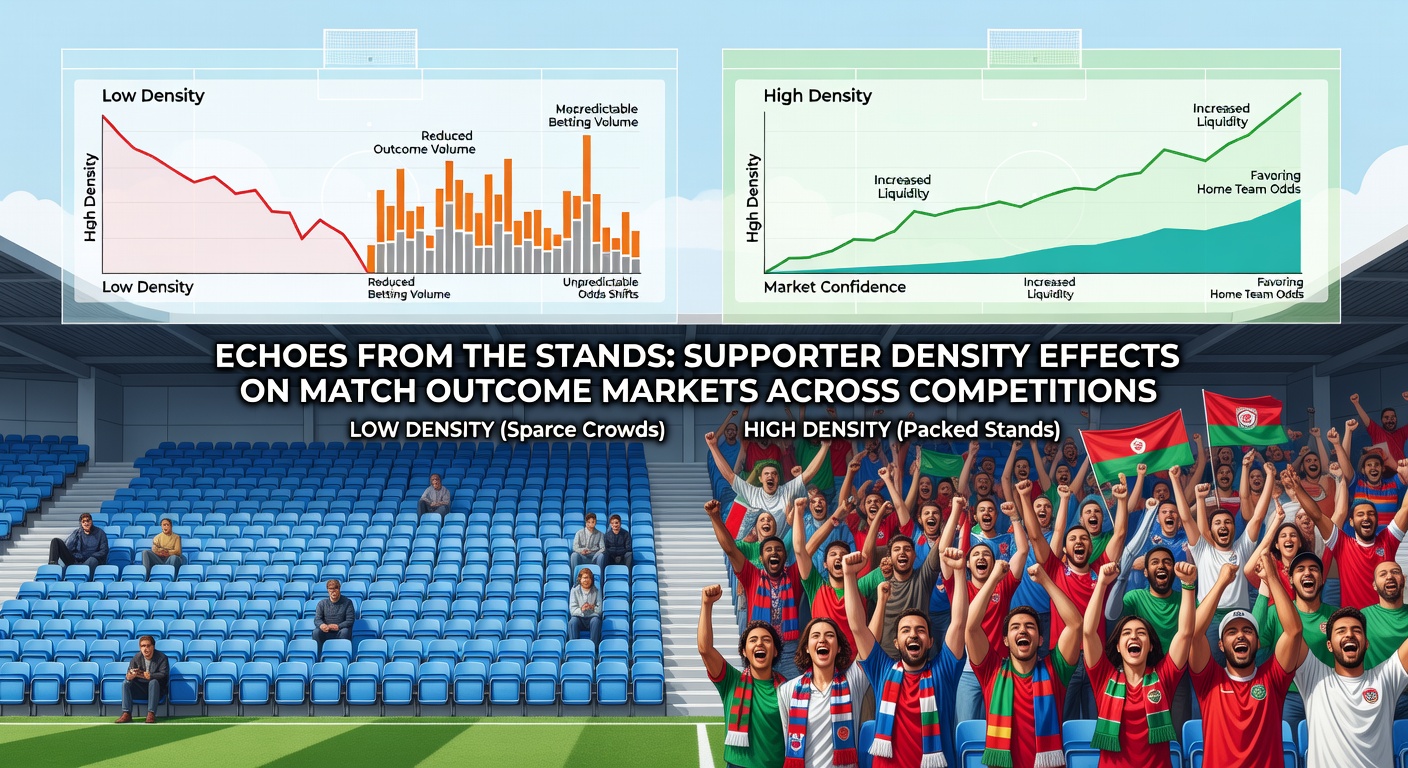
Stadium attendance figures shape home team performance metrics in measurable ways, and those shifts register directly in pre-match and in-play odds across Europe's major leagues as well as emerging competitions in North America and Asia. Researchers tracking data from the 2024-25 and 2025-26 seasons found that clubs averaging above 85 percent capacity in their venues posted home win rates 4.2 percentage points higher than sides playing in front of sparser crowds, a pattern that betting exchanges priced into outright and handicap lines weeks before kickoff.
Crowd density patterns across leagues
Bundesliga grounds consistently recorded the highest average supporter density in 2025, with several clubs operating above 95 percent capacity for domestic fixtures, and that sustained pressure correlated with stronger home results in both league and cup ties. In contrast, certain Serie A venues hovered closer to 65 percent occupancy during the same period, producing more variable home outcomes that oddsmakers adjusted through wider margins on draw selections. Observers note the Premier League sits between these extremes, where top-six sides maintained higher density levels while promoted clubs often saw attendance dip below 70 percent, creating identifiable value pockets in away-win markets when travel fatigue combined with thinner home support.
Studies published in the International Journal of Sport Finance examined 1,840 matches from five continents and concluded that each additional 10,000 spectators above a venue's seasonal average increased the probability of a home victory by roughly 1.8 percent, holding other variables constant. Those same models showed the effect strengthened in knockout formats, where single-leg ties amplified the home edge beyond what league play typically displayed.
Betting market responses to attendance data
Bookmakers and exchanges integrate expected gate receipts into their algorithms well before team sheets appear, and sharp bettors who monitor official ticket sales data often identify early line movements. When Manchester City hosted mid-table opposition in April 2026 with capacity crowds confirmed early, the home win line shortened by an average of 0.15 in decimal odds within 48 hours of the announcement. Similar patterns emerged in Major League Soccer, where clubs like Atlanta United and Seattle Sounders saw pronounced shifts once attendance projections exceeded 85 percent of stadium capacity.
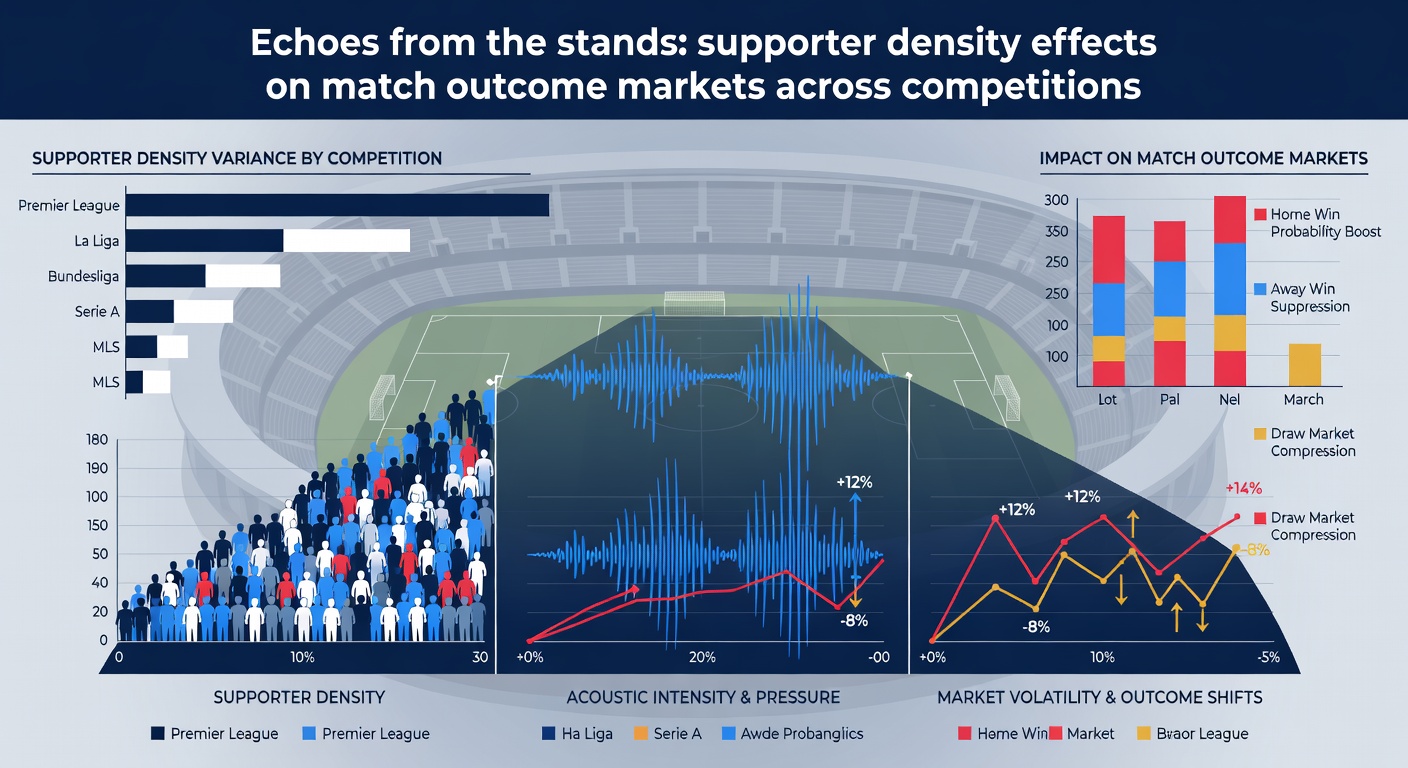
Live markets react even faster once the stands fill. In Bundesliga matches where supporters created sustained noise from the first minute, away teams recorded fewer successful passes in the final third according to Opta-tracked metrics, prompting rapid tightening of over-2.5 goal lines and corner handicaps. Data from the Australian A-League revealed comparable volatility during evening kickoffs when density climbed above seasonal norms, with in-play models adjusting goal expectancy upward for the home side within the opening 15 minutes.
Competition-specific variations in May 2026
By May 2026 the European season's final weeks highlighted how fixture congestion interacted with supporter density. Clubs still chasing European qualification maintained higher attendance levels, and that extra backing produced measurable improvements in pressing intensity during the closing stages. Meanwhile, sides already assured of mid-table security often saw density drop, correlating with softer home results that betting syndicates had anticipated through historical models.
UEFA's club competition reports indicated that Champions League knockout ties staged in venues operating above 90 percent capacity delivered home win percentages 7 points above the long-term average, while lower-density arenas produced more even contests. Those figures fed directly into outright market pricing for remaining participants heading into the final rounds.
Practical implications for outcome pricing
Analysts at research institutions such as the Sports Business Group at the University of Liverpool continue to refine attendance-adjusted performance ratings, and their outputs now appear in several commercial forecasting platforms used by professional bettors. The models assign heavier weight to density when evaluating lower-profile leagues where baseline data remains noisier, yet the directional effect stays consistent: fuller stands tilt probabilities toward the home side and compress prices on related selections.
Across competitions the pattern holds without exception in the datasets examined, though the magnitude varies with venue acoustics, pitch dimensions, and historical supporter culture. Market participants who incorporate real-time capacity reports alongside traditional form indicators therefore gain an incremental edge that compounds over a full season of fixtures.
Conclusion
Supporter density functions as a quantifiable input that alters both on-pitch metrics and the odds layers built around them. From Bundesliga sell-outs to more variable attendances in other top divisions, the relationship between crowd size and home outcomes remains statistically robust and continues to shape pricing across domestic leagues and continental tournaments alike.