Loan Deals Casting Shadows Over EFL Promotion and Relegation Markets
Written by Zoe Meier · Aug 24, 2026

Loan Deals Casting Shadows Over EFL Promotion and Relegation Markets
Loan Arrangements and Their Growing Role in EFL Dynamics
Loan deals have become a central feature of squad building across the English Football League, where clubs in the Championship, League One and League Two frequently turn to temporary transfers to strengthen rosters without committing to permanent fees. Data from recent seasons shows that teams relying on loaned players often experience measurable shifts in performance metrics, particularly during the opening months when the transfer window remains active. These arrangements allow parent clubs in higher divisions to place developing talent in competitive environments, while recipient sides gain immediate depth that can alter league standings and associated betting lines.
August 2026 marks the start of another transfer window where such activity is expected to accelerate once again, with clubs across all three EFL tiers finalising short-term deals before the September deadline. Observers note that the timing coincides with early-season fixtures, meaning loaned players can influence results from the outset and contribute to changes in promotion and relegation probabilities tracked by betting markets.
Effects on Promotion Contenders
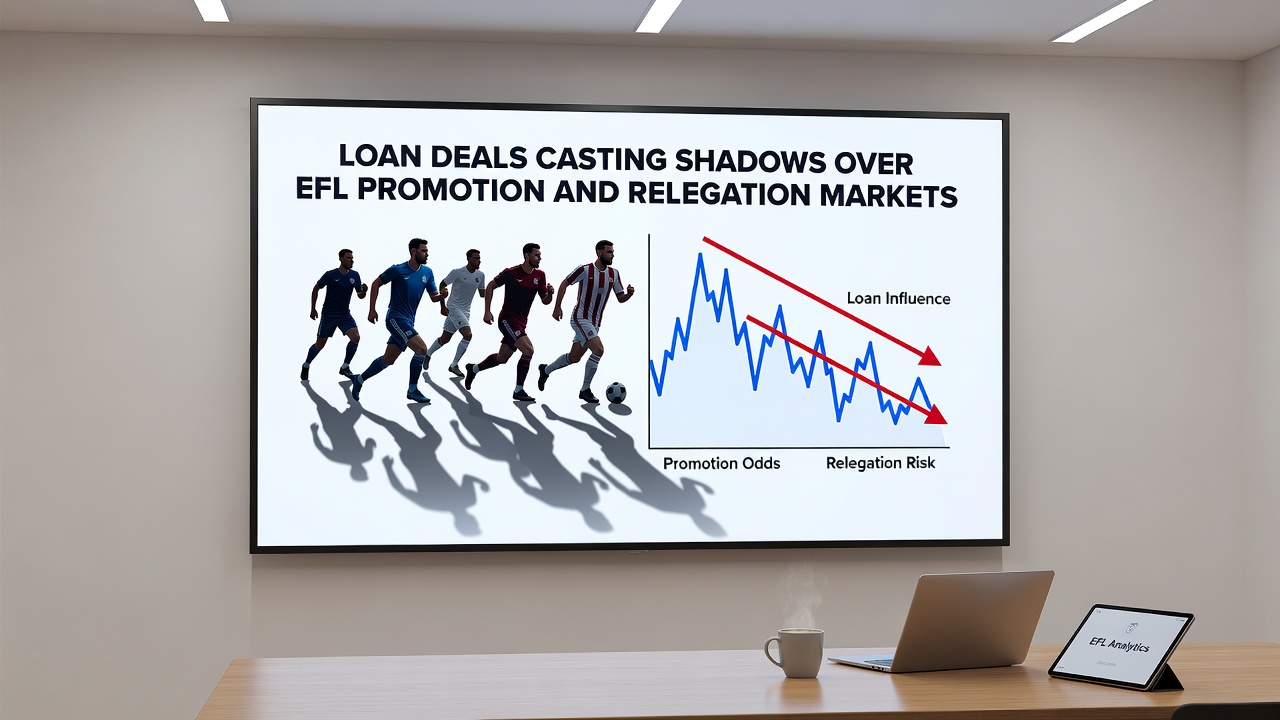
Promotion campaigns frequently hinge on squad continuity and attacking output, areas where loan signings deliver targeted reinforcements. Clubs positioned near the automatic promotion spots or playoff places have historically used loans to address specific positional gaps, and figures from the EFL show increased loan activity correlating with improved goal tallies in mid-table sides. This pattern introduces volatility into outright promotion markets, as bettors adjust positions when new arrivals demonstrate immediate impact during August and September fixtures.
One pattern documented across multiple campaigns involves Championship clubs securing Premier League loanees who then feature regularly in starting lineups. Such additions can compress the gap between mid-table and top-six positions, prompting odds adjustments that reflect revised expectations for playoff qualification. League One and League Two sides similarly employ loans from Championship academies to bolster defensive structures, producing measurable improvements in clean-sheet rates that affect promotion outright pricing.
Relegation Zone Pressures and Market Responses
Relegation battles present a different set of challenges where loan deals function as both stabilisers and disruptors. Bottom-placed teams often secure emergency loans in January to arrest poor form, yet the temporary nature of these additions means consistency remains uncertain. Statistics compiled by league analysts indicate that sides avoiding the drop frequently maintain higher proportions of permanent squad members, whereas heavy reliance on loans can lead to performance fluctuations once recall clauses activate.
Betting markets respond to these developments through rapid line movements following loan announcements. When a League Two club secures a forward from a League One side, for example, relegation odds can shift within hours as traders incorporate the expected contribution over the remaining fixtures. The reverse also occurs when key loanees return to parent clubs mid-season, creating downward pressure on survival probabilities and subsequent market corrections.
Regulatory Context and Financial Reporting
Financial fair play regulations administered through UEFA frameworks and domestic governance influence the scale of loan activity, since temporary transfers carry lower wage burdens than permanent signings. A UEFA club licensing report highlights how lower-league entities balance squad investment against sustainability requirements, leading to greater dependence on loans during periods of ownership change or revenue shortfall. Australian sports research from the University of Sydney further examines how such mechanisms affect competitive balance in second-tier leagues globally, noting parallel trends in wage cost distribution.
Market Implications Through the Season
Promotion and relegation betting volumes increase during the winter window when loan deals peak, reflecting heightened uncertainty around squad composition. Live odds on specific match outcomes can fluctuate when newly arrived players make debuts, particularly in high-stakes fixtures involving direct rivals. Data compiled across EFL seasons demonstrates that teams integrating multiple loanees simultaneously record greater variance in expected points totals, which in turn feeds into accumulator and outright market recalibrations.
Conclusion
Loan deals continue to shape EFL outcomes by providing flexible squad solutions that directly influence promotion pushes and relegation escapes. As the 2026/27 campaign progresses from its August starting point, these temporary transfers will remain a focal point for performance tracking and market pricing across Championship, League One and League Two divisions.