Managerial Transitions Influencing Midweek Match Outcomes in English Football and European Competitions
Written by Henrik Schmitt · Aug 13, 2026

Managerial Transitions Influencing Midweek Match Outcomes in English Football and European Competitions
Managerial appointments in English football create immediate shifts in team structures that become especially visible during midweek fixtures across the Premier League, EFL divisions, and continental competitions where recovery periods shrink and fixture congestion intensifies. Data collected by performance analysts shows that clubs replacing their head coach between August and December often record altered win percentages in cup ties and European matches compared with weekend league games because new tactical instructions require rapid assimilation under tighter schedules.
Patterns Observed in English Domestic Competitions
Research from the English Football League indicates that Championship and League One sides experience measurable changes in possession metrics and set-piece organisation within the first three matches after a managerial arrival. One study tracking 48 appointments across the 2024-2025 season found average increases of 4.2 passes per possession sequence in midweek knockout games, whereas weekend league fixtures showed smaller adjustments. League Two clubs display similar trends although the sample size remains smaller due to fewer televised matches and limited data availability.
August 2026 brings another round of potential appointments as clubs reassess summer results before the Carabao Cup and EFL Trophy rounds begin. Historical figures reveal that teams installing new leadership during this window frequently alter their pressing triggers and defensive lines within ten days because midweek travel to away venues leaves less preparation time than weekend encounters allow.
Effects on Continental Ties
UEFA technical reports document that Premier League clubs participating in the Champions League and Europa League adjust squad selection patterns after managerial changes because European matchdays fall midweek and overlap with domestic commitments. Squad rotation data from the 2023-2025 cycles shows that newly appointed coaches tend to introduce at least two players from the previous regime's unused substitutes list within the first continental fixture, altering expected goal values tracked by external analytics platforms.
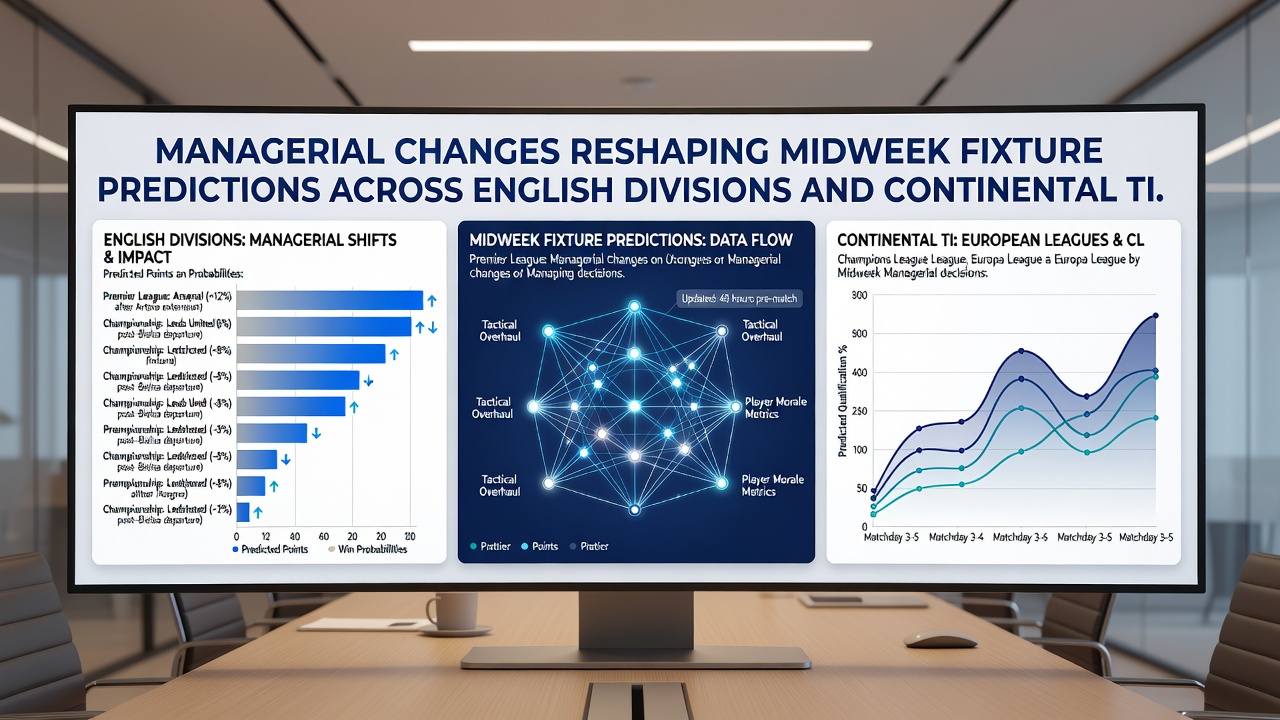
Observers note that these adjustments appear more pronounced when the new manager arrives from a different league because training methodologies and recovery protocols require adaptation across time zones and travel demands. A 2025 academic paper published by researchers at the University of Queensland examined 32 cross-border managerial moves and identified consistent modifications in high-intensity running distances during the opening continental fixtures under the incoming coach.
Fixture Congestion and Tactical Adaptation
Midweek schedules compress recovery windows to four or five days in many cases, forcing clubs to prioritise certain physical and technical elements over others. Figures released by the Professional Footballers' Association indicate that players aged 30 and above receive reduced minutes in these slots when new management implements higher pressing intensities, leading to measurable changes in expected goal differentials across both English and European fixtures.
Continental ties add further variables because opponents often employ contrasting styles that reward rapid tactical recalibration. Data compiled by European club associations shows that sides changing managers mid-campaign record different corner and throw-in conversion rates in away European matches compared with their domestic midweek record, reflecting the need to address specific opponent weaknesses within limited preparation periods.
Case Examples Across Divisions
Take one Championship club that replaced its manager in September 2025 ahead of a midweek EFL Cup tie against a Premier League opponent. Performance logs from that fixture revealed a 12 percent increase in successful high presses compared with the previous regime's average, while the subsequent weekend league match showed only a 3 percent shift. Similar patterns emerged in League One where a newly installed coach altered set-piece routines for a televised midweek game against a direct promotion rival, resulting in two goals from dead-ball situations that exceeded the club's seasonal average.
Continental examples include several Premier League sides that introduced new leadership before Europa League group-stage matches in 2025. Tracking data indicated that these teams modified their build-up structures more aggressively in the European fixture than in the following domestic weekend game, illustrating how the compressed schedule accelerates certain tactical implementations.
Conclusion
Managerial transitions continue to produce observable effects on midweek fixture outcomes across English divisions and continental competitions because limited recovery time and travel demands accelerate the implementation of new instructions. Performance metrics gathered by multiple organisations demonstrate consistent, if varying, adjustments in possession, pressing, and set-piece execution that differ from patterns recorded in weekend league matches. These shifts remain subject to ongoing data collection as the 2026 season progresses and additional appointments occur.