Pitch Condition Swings That Prompt Mid-Match Market Recalibrations in Domestic Cups and European Ties
Written by Zoe Meier · May 30, 2026

Pitch Condition Swings That Prompt Mid-Match Market Recalibrations in Domestic Cups and European Ties
Domestic cup matches and European ties frequently feature pitch surfaces that evolve throughout the ninety minutes, and those changes trigger adjustments in live betting markets because they alter expected patterns of play. Heavy rain can turn firm grounds into slippery surfaces within the first half, while intense usage in knockout stages leaves worn patches that affect ball roll and player traction, so oddsmakers monitor these shifts closely to update lines on goals, corners, and cards.
How Weather and Wear Combine to Shift Surfaces Mid-Game
Observers note that pitch conditions rarely stay static once a match begins, especially when domestic cups schedule fixtures on pitches already used for league games earlier in the week. A sudden downpour can reduce passing accuracy and increase long-ball frequency, which in turn prompts recalibrations on total goals markets because data from similar past encounters shows fewer shots on target under those circumstances. European ties add another layer since venues often host back-to-back high-stakes games, and the cumulative wear creates uneven bounce that favors teams comfortable with direct play.
Documented Examples from Recent Seasons
During the 2025/26 campaign several cup ties illustrated these effects clearly. One quarter-final in a major domestic competition started on a pristine surface yet developed muddy central zones after thirty minutes of rain, leading to an immediate widening of the over/under 2.5 goals line as bookmakers incorporated the reduced chance of sustained build-up attacks. In a Champions League round-of-sixteen second leg the same pattern emerged when a pitch that began firm developed divots near the touchlines, and live odds on corners adjusted upward because wing play became more direct and crosses more frequent. Those who've tracked these markets across multiple seasons recognize that such recalibrations occur within minutes of visible surface changes, driven by real-time data feeds rather than pre-match assumptions.
Market Responses to Visible Deterioration
Bookmakers employ pitch monitoring tools that feed into algorithms updating probabilities as soon as measurable changes appear. When grass length shortens or water accumulates in goalmouth areas, the probability distribution for set-piece outcomes shifts measurably, and operators widen or narrow spreads accordingly. Research indicates that European ties played on hybrid surfaces experience slower degradation than older natural grass pitches, yet once wear reaches a threshold the impact on through-ball success rates becomes statistically significant. Data from league and cup fixtures shows that matches crossing this threshold often see an increase in fouls because players lose footing more readily, prompting corresponding movements in card markets.
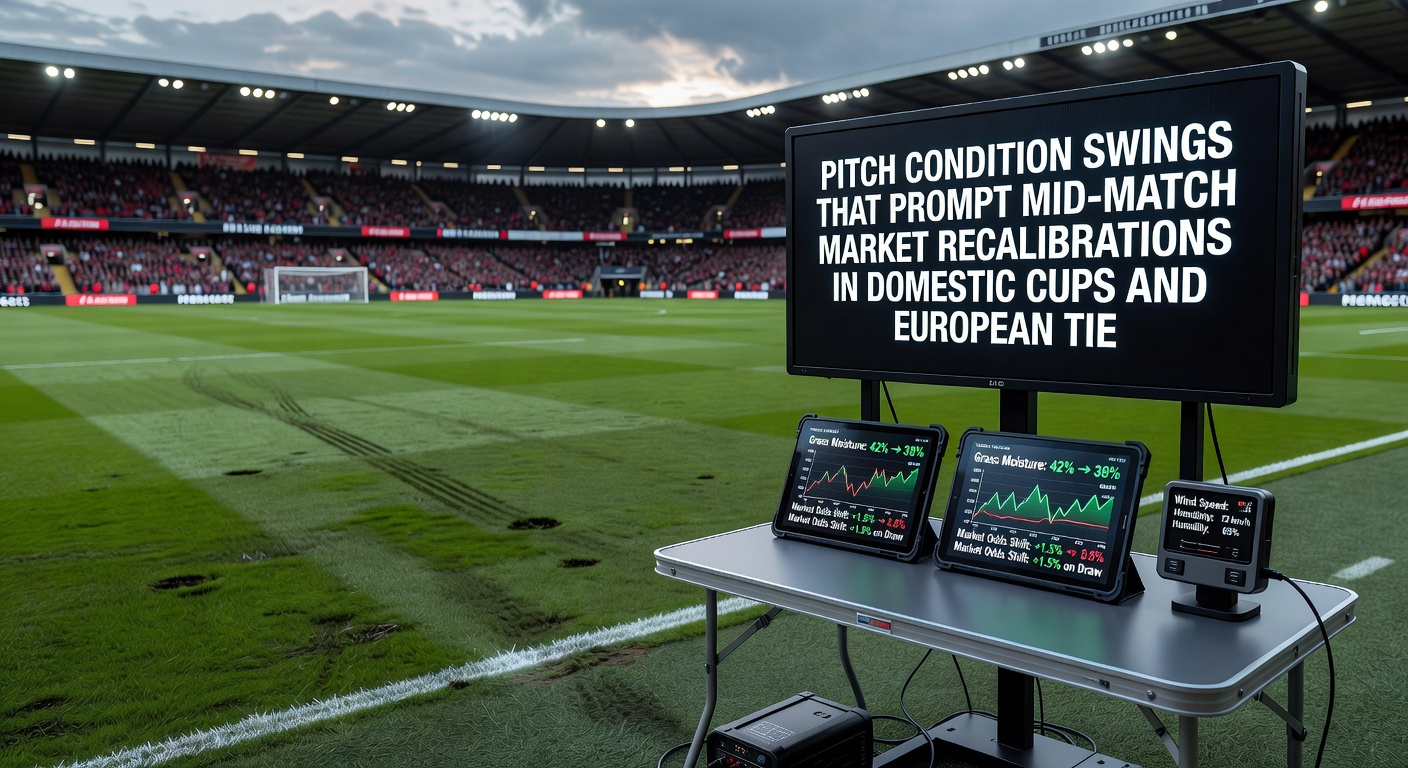
Those monitoring in-play action during May 2026 will likely encounter similar dynamics in the closing stages of both domestic cups and the final European fixtures of the season. Late-spring weather patterns can introduce sudden temperature swings that either harden or soften surfaces depending on rainfall, and oddsmakers have refined their models to account for these regional variations. Figures from governing bodies reveal that venues hosting multiple knockout matches within a short window require more frequent surface assessments, and this information flows directly into trading desks responsible for live odds.
Regional Variations and Their Betting Implications
Pitches in northern European competitions tend to retain moisture longer into spring, whereas southern venues dry out faster and produce different friction characteristics. A study published by the University of Southern Queensland examined how soil composition influences water retention and found that clay-heavy fields in certain climates create slick patches after only light precipitation, altering expected duel success rates. UEFA technical reports similarly document how hybrid turf systems mitigate but do not eliminate these effects during congested fixture periods. Observers note that when such regional differences coincide with mid-match weather events the recalibration speed increases, because models incorporate both historical venue data and current conditions.
Tracking Tools Used by Market Makers
Modern systems combine drone footage, moisture sensors, and player tracking data to quantify surface changes in real time. Once a threshold of wear or water accumulation registers, the algorithms recalculate implied probabilities for multiple outcomes simultaneously. This process explains why lines on both total corners and player tackles can move within the same minute when a pitch develops visible patches of mud. Those who analyze betting volumes across competitions observe that sharp movement often precedes the next goal or set piece, confirming that the recalibrations reflect genuine shifts in expected patterns rather than random fluctuations.
Conclusion
Pitch condition swings during domestic cup and European ties continue to influence live market recalibrations because they directly modify the parameters that determine likely match events. As venues prepare for the decisive fixtures of May 2026, the integration of advanced monitoring ensures that odds reflect surface realities as they unfold, providing a measurable link between ground conditions and betting line adjustments across competitions.