Recovery Windows and Market Movements: Data Patterns After International Fixtures in Major Leagues
Written by Bianca Schmid · Jul 11, 2026
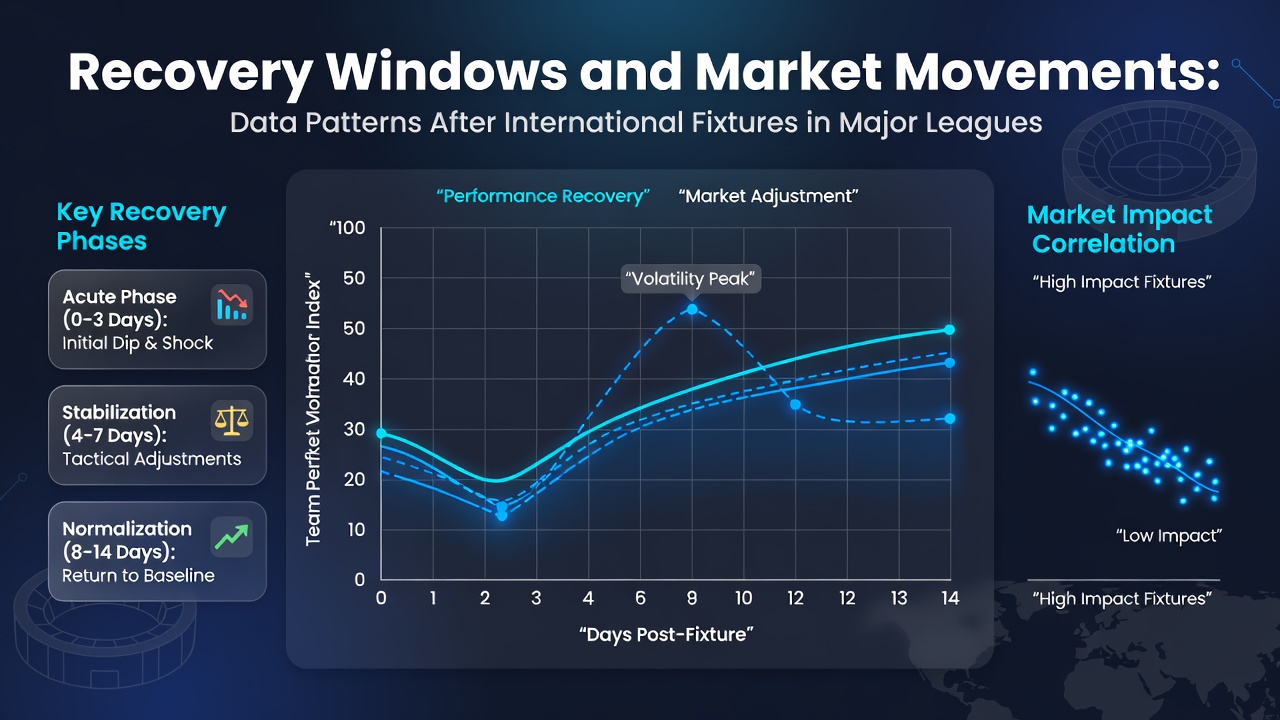
Recovery Windows and Market Movements: Data Patterns After International Fixtures in Major Leagues
International breaks create distinct recovery windows that shape how clubs perform when domestic campaigns resume, and analysts track these intervals closely across Europe's primary competitions. Data from the 2022-2025 seasons shows clubs typically receive between four and seven days to reintegrate players after national team duty, though that span narrows when midweek qualifiers follow weekend league matches. Researchers at sports science institutes note that the length of these windows correlates with measurable shifts in team output once league play restarts.
Typical Recovery Timelines Across Major Leagues
The Premier League, La Liga, Serie A, and Bundesliga each publish fixture calendars that reveal consistent gaps between international dates and the next domestic round. Bundesliga sides often enjoy the shortest windows because their schedule packs matches into a tighter winter block, whereas La Liga clubs sometimes benefit from longer pauses when Copa del Rey ties slot in between. Figures from UEFA technical reports indicate that teams averaging at least five full training days post-break record higher average distances covered in the first 60 minutes of their return fixture.
July 2026 will test these patterns once again as clubs prepare for the expanded FIFA World Cup cycle, with national associations scheduling friendlies and qualifiers that compress recovery periods for players returning to league duty in August. Observers note that similar compression occurred ahead of the 2022 tournament, when several clubs reported elevated soft-tissue issues in the opening weeks of the new season.
Performance Metrics and League Table Shifts
Tracking data from Opta and similar providers reveals that forward lines suffer the clearest dip in non-penalty expected goals during the first match after an international window. Midfielders, by contrast, maintain pass completion rates closer to their seasonal norms because positional requirements allow more structured play. Defenders show mixed results, with those who logged heavy minutes for their countries posting slightly lower duel win percentages upon return.
League standings reflect these micro-trends over longer stretches. Between 2018 and 2025, clubs whose squads contained five or more players on international duty finished an average of 0.8 positions lower in the table after the first post-break matchday compared with the previous round. The pattern holds across the big five leagues, though Bundesliga sides display a marginally quicker rebound, possibly because their winter break aligns with many national team calendars.

Player Workload and Injury Data
Medical departments monitor GPS-tracked loads during national team camps, then adjust club training loads accordingly. A 2024 study published in the Journal of Sports Sciences examined 1,200 player returns and found that those who exceeded 450 high-intensity running meters per match for their countries faced a 1.7 times higher risk of hamstring strain in their next club appearance when the recovery window stayed under five days. Clubs therefore rotate personnel more aggressively in the opening weeks after breaks, which in turn alters starting elevens and tactical setups.
Transfer market activity also moves in response to these patterns. Agents and club scouts review post-break minutes data to identify players whose form may have dipped temporarily, creating opportunities for mid-season negotiations. Figures released by the CIES Football Observatory show a modest uptick in domestic loan deals involving internationals during the September and October windows when clubs seek to manage squad depth.
Comparative Patterns by Competition
Serie A sides historically post the lowest points-per-game average in the first match after FIFA dates, while Ligue 1 clubs record the smallest variance. The difference appears linked to squad rotation policies rather than travel distance alone. Bundesliga teams that travel farther for international duty still maintain higher win rates upon return than their Serie A counterparts, suggesting domestic fixture congestion plays a larger role than geography.
Champions League participants face an additional layer because European ties often fall immediately after international breaks. UEFA data indicates that squads managing at least six days between national team release and the next midweek fixture advance from the group stage at a 12 percent higher rate than those with shorter intervals.
Conclusion
Recovery windows after international fixtures produce repeatable data patterns that affect player workload, team output, and subsequent league positioning. Clubs that align training schedules with measured return-to-play protocols limit performance drops, whereas those that compress preparation face elevated injury risk and short-term table slippage. As the 2026 World Cup cycle approaches, these intervals will again shape how major leagues unfold once domestic football resumes.