Shadows from Cup-Tied Squads: How European Night Absences Rewrite Weekend League Markets and Accumulator Patterns
Written by Sofia Patterson · Aug 22, 2026
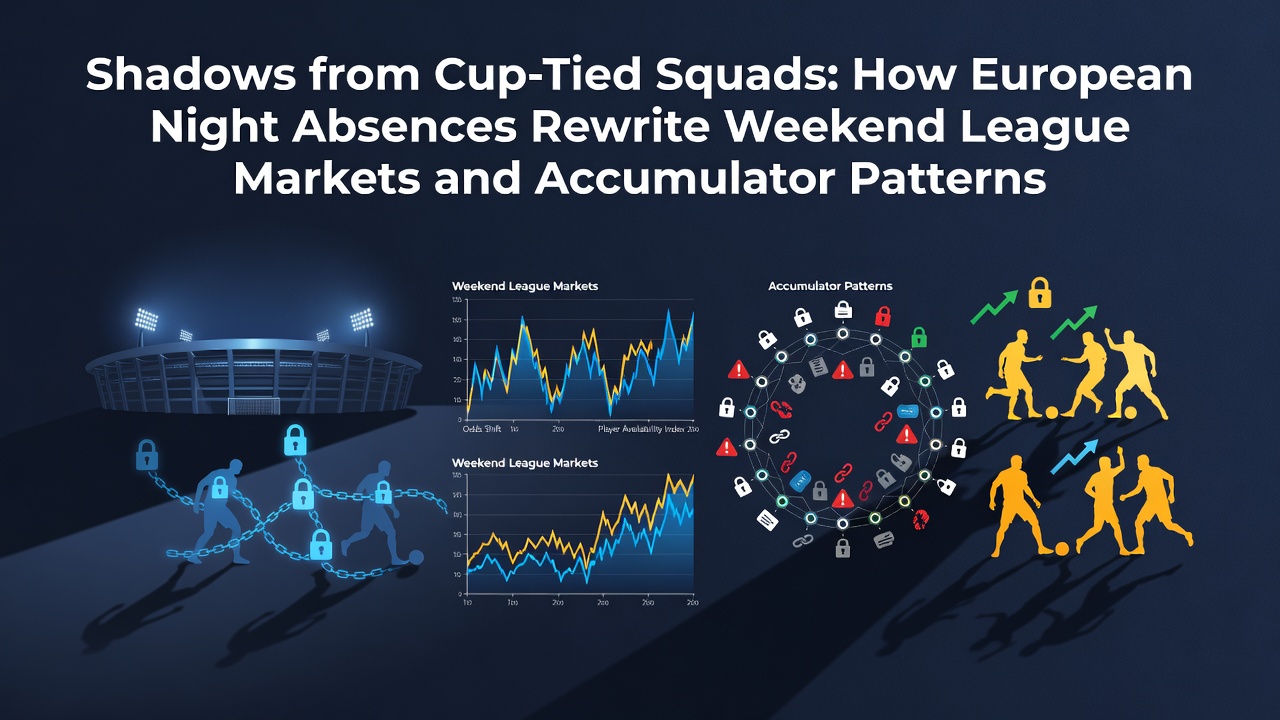
Shadows from Cup-Tied Squads: How European Night Absences Rewrite Weekend League Markets and Accumulator Patterns
European midweek commitments create ripple effects that extend well beyond the pitch and into weekend fixture pricing, where squad absences tied to continental travel force bookmakers to recalibrate lines across domestic leagues. Teams participating in Champions League or Europa League group stage matches often face player rotation decisions that alter expected lineups, and those shifts register immediately in opening odds for Saturday and Sunday encounters. Data from the 2025-26 campaign already showed measurable drifts in Premier League totals markets when clubs returned from Tuesday or Wednesday fixtures, with similar patterns emerging in the Bundesliga and Serie A.
Rotation Policies and Market Adjustments
Coaches implement structured rest protocols after European nights, which leads to predictable changes in starting elevens and substitute patterns. When a midfielder logs 90 minutes on Wednesday night in a high-intensity European tie, the probability rises that the same player starts on the bench for the following league match. Bookmakers track these historical trends and adjust both team totals and player performance props accordingly. Observers note that goal-line markets in the English Premier League frequently open 0.25 goals lower for sides coming off midweek continental action, while over/under lines in Ligue 1 respond with comparable movement once confirmed lineups filter through to betting platforms.
August 2026 marks the first full season under the expanded Champions League format that features more matchdays and additional travel demands. Early fixtures already indicate that clubs balancing four competitions will lean harder on squad depth, and that depth varies significantly across the top five European leagues. French and Italian sides, for instance, have shown greater willingness to rest established starters compared with German clubs that maintain tighter rotation cycles. These differences surface in accumulator construction, where bettors stacking multiple weekend matches must account for which teams carry the heaviest midweek loads.
Accumulator Pattern Shifts
Accumulators built around clean sheets or over 2.5 goals encounter fresh variables when European fatigue enters the equation. A defensive unit that conceded sparingly in league play can suddenly look porous after a draining away trip to Eastern Europe, and sharp money responds by pushing totals higher. Research from the Australian Institute of Sport highlights how recovery windows shorter than 72 hours correlate with increased high-intensity running deficits, and those physical markers translate directly into higher expected goals against figures released by Opta and other data providers.
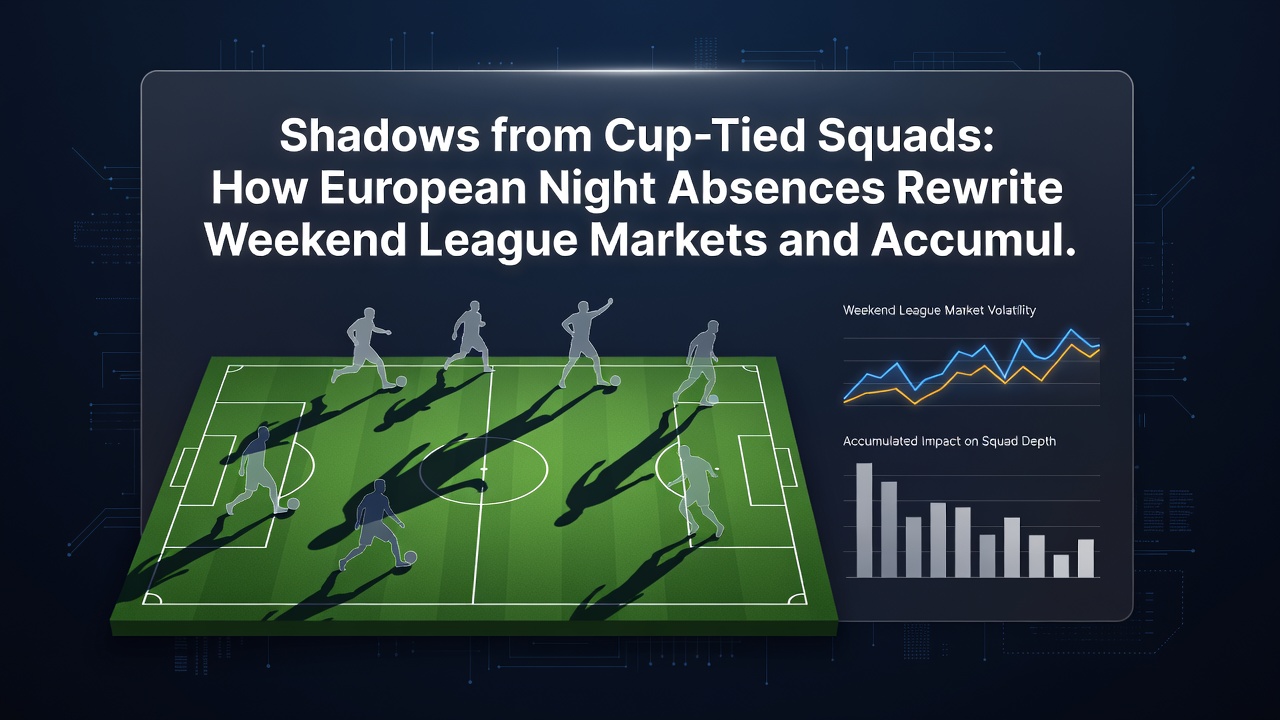
Weekend double and treble selections that once focused solely on home advantage now incorporate travel distance and recovery time as primary filters. Bettors who monitor Champions League and Europa League schedules alongside domestic fixtures gain an edge when they identify clubs that must travel across time zones or play on Thursday nights before a Sunday league appointment. Figures released by the European Club Association document an uptick in injury reports among teams with congested calendars, and those reports feed into live odds updates that can move spreads by several points within hours of confirmation.
Regional Variations in Response
Leagues outside the traditional big five display distinct reactions to the same phenomenon. The Eredivisie and Primeira Liga often see more pronounced market swings because squad depth is thinner and European nights carry greater physical cost. In contrast, Premier League sides with larger benches absorb absences more seamlessly, which keeps line movement modest unless multiple key personnel are simultaneously unavailable. A 2024 study conducted at the University of Waterloo examined recovery metrics across 12 European leagues and found measurable differences in post-European performance drops, with statistical significance strongest in matches separated by fewer than three full rest days.
Live betting during the opening 15 minutes of weekend fixtures frequently reveals whether pre-match assessments of fatigue were accurate. When teams that played midweek concede early, in-play totals markets accelerate upward and accumulator payouts hinge on those rapid adjustments. Industry reports from the Canadian Gaming Association track how these early patterns influence overall handle distribution across multi-leg bets, showing increased volume on overs when European schedules compress recovery time.
Conclusion
European night absences continue to reshape weekend league pricing structures and accumulator construction as data providers and bookmakers refine models that incorporate travel, rotation history, and recovery timelines. The August 2026 season offers fresh test cases under the revised continental calendar, and markets will reflect those evolving demands through consistent line adjustments and shifting bettor preferences. Observers tracking both midweek European results and domestic squad news position themselves to anticipate where value surfaces once lineups lock in.