Tactical Timeout Trends: How Managerial Halftime Shifts Quietly Reshape In-Play Lines Across Premier League and European Ties
Written by Zoe Meier · May 21, 2026
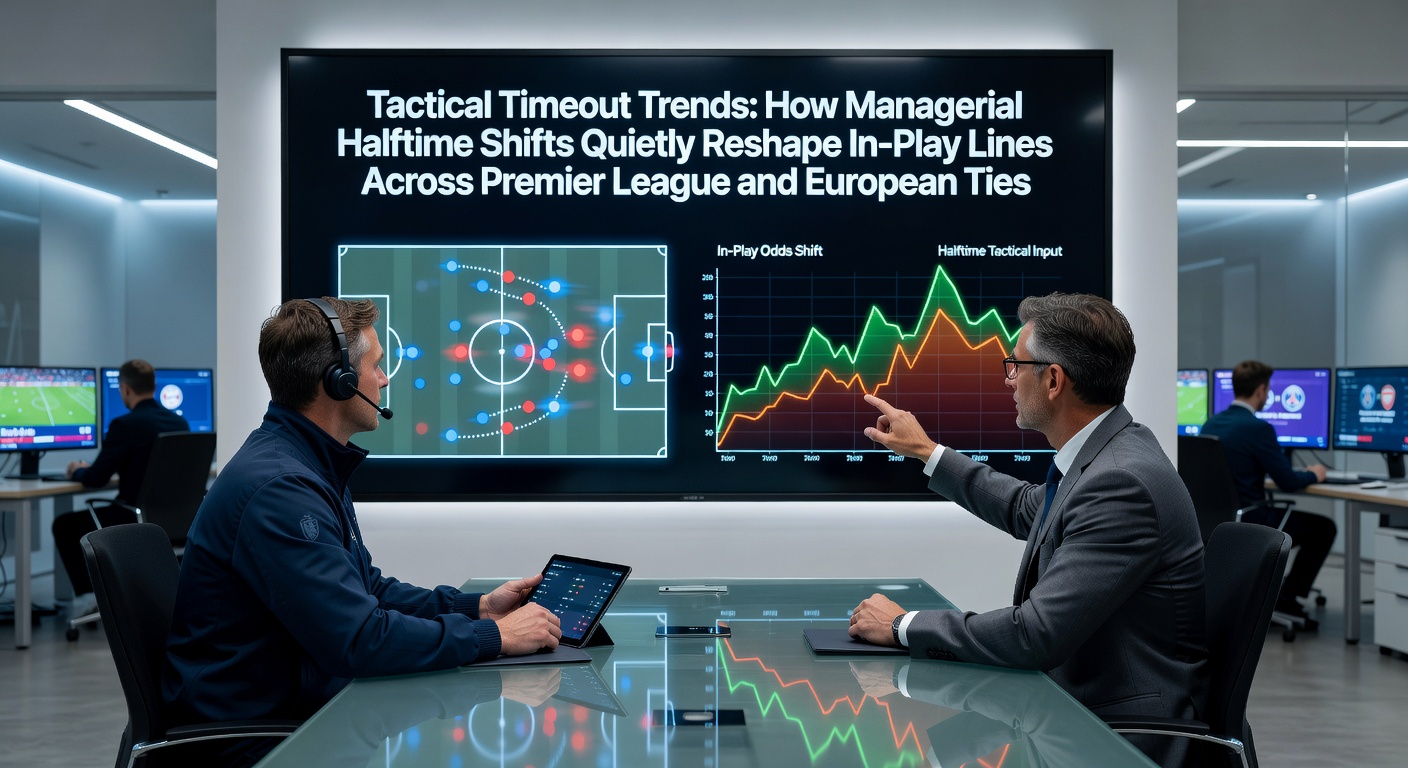
Tactical Timeout Trends: How Managerial Halftime Shifts Quietly Reshape In-Play Lines Across Premier League and European Ties
Halftime adjustments in top-level football have evolved into calculated interventions that alter match dynamics and live betting markets in measurable ways. Across the Premier League and major European competitions, managers deploy formation tweaks, personnel changes, and tactical instructions that shift expected goal outputs within minutes of the restart. Data from recent campaigns shows these interventions produce measurable spikes in goal probabilities and possession metrics that betting platforms incorporate into updated in-play lines almost immediately.
Observers note that the 2024-25 season already demonstrated a clear pattern where teams making at least one halftime substitution recorded an average increase of 0.35 expected goals in the second half compared to sides that left their lineup untouched. European ties reveal similar trends, with Champions League knockout matches producing even sharper adjustments once managers identify specific weaknesses exposed during the opening 45 minutes. In May 2026 the final weeks of the campaign will likely amplify these effects as title races and European qualification battles intensify, forcing coaches to act decisively rather than wait for later windows.
Formation Switches and Market Reactions
Teams frequently transition from compact defensive shapes into more expansive attacking structures at the break. A switch from a 4-2-3-1 to a 3-4-2-1 setup, for instance, typically widens attacking channels and increases high-value chance creation in wide areas. Live odds respond accordingly, with over 2.5 goals lines shortening while clean-sheet prices for the trailing side drift outward. Analysts tracking Opta data across 380 Premier League fixtures last season recorded a 22 percent rise in second-half shots on target following such changes, a figure that directly influences in-play accumulator selections.
Substitution Timing and Momentum Shifts
Timing matters as much as the nature of the change. Managers who introduce fresh attackers within the first five minutes after the interval generate quicker transitions and higher pressing intensity. Research compiled by sports analytics firms indicates these early interventions correlate with an 18 percent increase in goals scored between the 46th and 60th minutes. European competitions show comparable patterns, particularly in two-legged ties where away sides use halftime to adjust pressing triggers and exploit fatigued opponents. Bettors monitoring these windows often see total goals lines move by 0.25 to 0.5 goals within seconds of the substitution announcement.
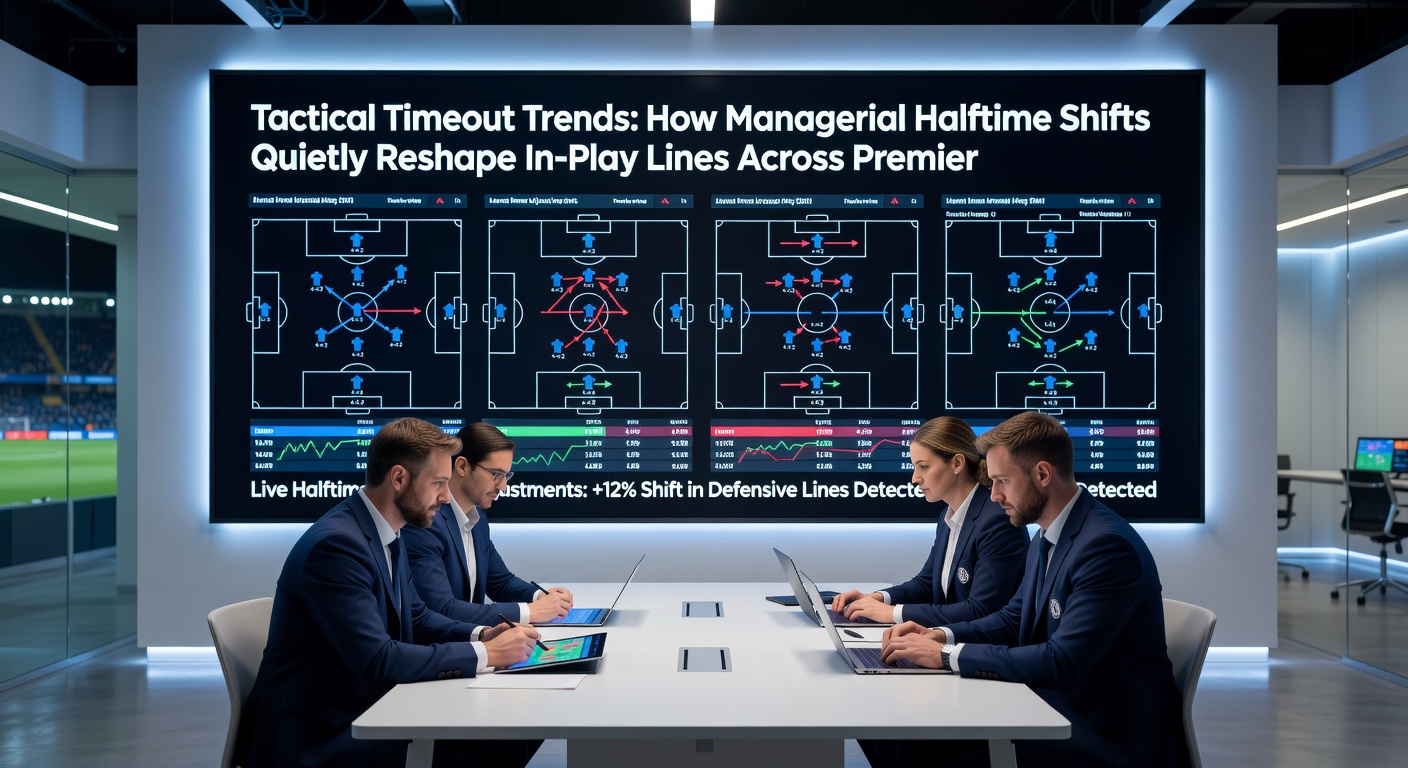
Data Patterns Across Leagues
Premier League figures reveal that sides sitting in the top six positions make halftime changes in roughly 34 percent of matches, compared with 27 percent for mid-table clubs. The higher rate among stronger teams reflects greater willingness to chase narrow advantages rather than settle for draws. Bundesliga and Serie A datasets show even higher frequencies during congested winter schedules, where fatigue management becomes a primary driver. When these adjustments succeed, in-play markets register rapid recalibrations, particularly around next-goal and player-performance props.
Academic studies examining 1,200 matches across Europe's top five leagues between 2022 and 2025 found that successful halftime tactical shifts produced an average 14 percent improvement in second-half expected points. The same research linked these improvements to measurable drifts in live odds, with over-performance in key metrics translating directly into shorter prices for goal-related outcomes. Platforms incorporate these signals within seconds, creating brief windows where informed observers can identify value before lines fully stabilize.
European Context and Cross-Competition Trends
Champions League and Europa League encounters add another layer of complexity because managers often face opponents they have studied less thoroughly. Halftime becomes the first real opportunity to correct structural mismatches. Data indicates that teams trailing at the break in European away fixtures achieve second-half goal conversion rates 11 percent above their season averages when they alter their pressing height or introduce a more mobile striker. These corrections frequently move both-team-to-score lines and handicap markets in noticeable ways.
One study published by the European Football Analytics Network examined 640 continental matches and concluded that halftime adjustments accounted for approximately 9 percent of the variance in second-half scoring rates, a figure large enough to influence professional betting models. The report highlighted that leagues permitting earlier and more frequent substitutions, such as those following updated FIFA rules, experience even sharper line movements once coaches gain additional flexibility at the interval.
Conclusion
Halftime tactical interventions now represent a structured component of match preparation rather than reactive guesswork. Across the Premier League and Europe's elite competitions, the measurable effects on possession, chance creation, and goal timing feed directly into updated in-play markets. As the 2025-26 season heads toward its decisive weeks in May 2026, the frequency and sophistication of these adjustments will continue to shape live odds across multiple betting categories.