The Unseen Hand of Fixture Congestion: Examining How Packed Schedules Influence Betting Markets in English Football Competitions
Written by Sofia Patterson · Jul 27, 2026

The Unseen Hand of Fixture Congestion: Examining How Packed Schedules Influence Betting Markets in English Football Competitions
Fixture congestion shapes outcomes across English football competitions where teams juggle Premier League fixtures with domestic cups and European ties, and data from multiple seasons shows how these crammed calendars prompt measurable shifts in betting markets. Researchers tracking performance metrics note that squads playing three matches in seven days often see goal tallies drop while defensive errors rise, patterns that betting operators incorporate into pre-match lines and in-play adjustments.
Defining Fixture Congestion in Context
English clubs face dense schedules during winter months and cup runs, with the 2025-26 campaign extending into July 2026 for some European qualifiers and pre-season commitments that overlap with recovery periods. Studies from academic institutions indicate that teams contesting more than 50 matches per season experience elevated injury rates compared to those with lighter loads, and this physical toll translates directly into altered win probabilities that oddsmakers reflect through adjusted spreads and totals.
Performance Data and Market Responses
Performance tracking reveals consistent trends where away sides in congested periods cover spreads less frequently, while home teams in similar situations show reduced over totals as fatigue limits attacking transitions. According to findings published by the Loughborough University Sports Technology Institute, recovery windows shorter than 72 hours correlate with a measurable decline in high-intensity running, prompting betting markets to price in lower expected goals for affected sides. Operators monitor these variables closely and adjust live odds when lineups confirm rotation or when early match minutes display slower tempo.
Those examining historical betting records observe that accumulator markets feel the impact most acutely during December and January clusters, where multiple fixtures land within short intervals and produce higher draw frequencies than standard weeks. Bookmakers widen margins on over/under markets in these windows because statistical models built on non-congested data lose predictive power once fatigue accumulates across squads.
Rotation Strategies and Odds Volatility
Managers deploy squad rotation to manage load, yet this tactic introduces another layer of uncertainty that betting exchanges capture through fluctuating prices on player props and team totals. Data compiled across Premier League and EFL seasons demonstrates that teams resting key attackers post-international breaks or midweek ties often underperform projected scoring rates, leading markets to shift toward unders within hours of lineup announcements. Observers note that in-play betting volumes spike during these congested stretches because early goals become less predictable and cash-out options gain traction among participants tracking live fatigue indicators.
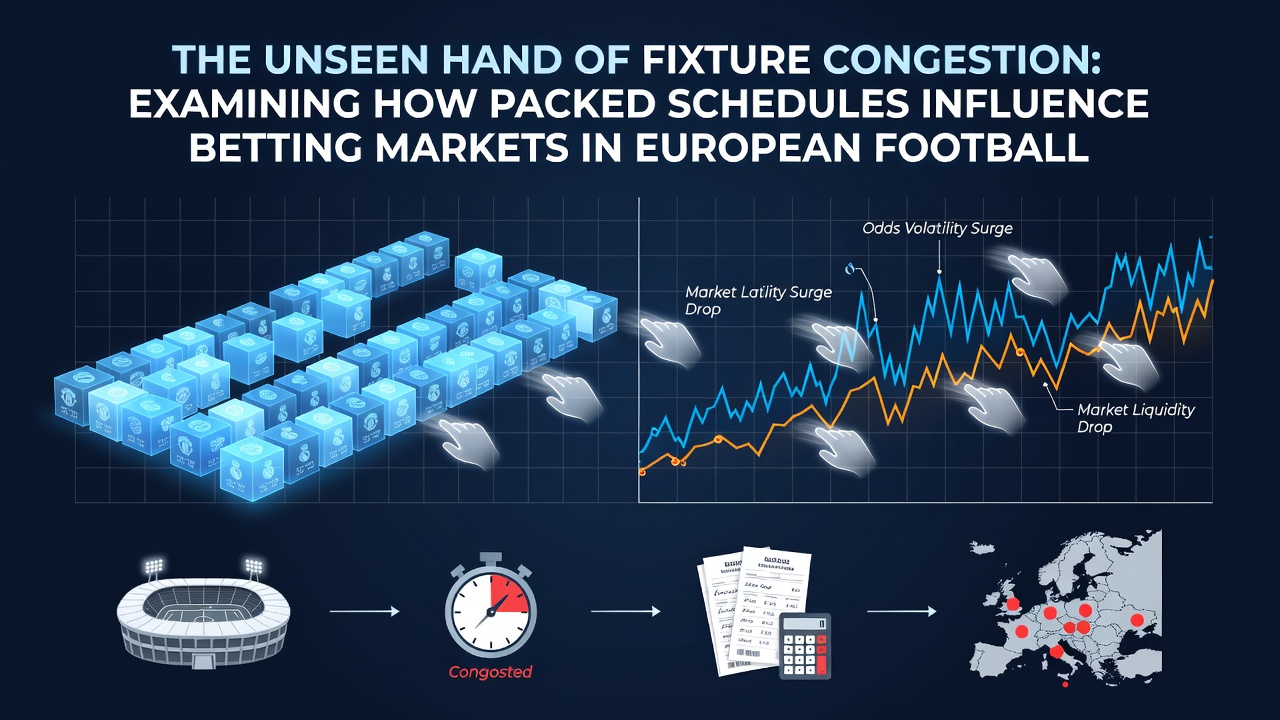
European competitions add further pressure when English sides advance deep into Champions League or Europa League group stages, extending the fixture list into spring and forcing additional adjustments in domestic markets. A report issued by the Australian Sports Commission on athlete workload management highlights how repeated high-stakes matches without adequate rest windows elevate error rates in set-piece defending, patterns that betting syndicates incorporate into model updates for both Premier League and cup fixtures.
Regional Variations Across Competitions
Lower-league sides in the EFL Championship and League One encounter even tighter schedules because of promotion playoffs and replay requirements, producing distinct betting dynamics where underdogs cover spreads more often during congested periods. Figures compiled by league statisticians show elevated card counts in these matches, which influences both player prop markets and team total cards lines as referees issue cautions at higher rates amid rushed challenges. Those studying market liquidity report that exchange volumes on EFL matches increase notably during March and April when multiple teams chase promotion or survival with limited recovery time between games.
July 2026 scheduling announcements already signal continued pressure points for clubs balancing pre-season tours with competitive fixtures, and early odds movements in futures markets reflect anticipated rotation effects on opening-weekend results. Analysts tracking these developments note that futures prices on title contenders adjust when fixture lists reveal clustered away trips after European nights, while relegation markets price in higher volatility for sides with thinner squads.
Conclusion
Fixture congestion continues to exert influence on English football betting markets through documented performance shifts, lineup variability, and statistical recalibrations by operators. Data across seasons demonstrates that markets respond to these patterns with adjusted lines and increased in-play activity, while research from independent institutions provides the quantitative basis for understanding how packed calendars alter expected outcomes in Premier League, EFL, and cup competitions.