Transfer Deadline Ripples: How Last-Minute Arrivals Recalibrate Outright Markets in Premier League and EFL Campaigns
Written by Sofia Patterson · Jul 23, 2026
Transfer Deadline Ripples: How Last-Minute Arrivals Recalibrate Outright Markets in Premier League and EFL Campaigns
Transfer windows close with a flurry of activity each summer, and the effects on outright markets for Premier League titles, European qualification, and relegation zones become immediate. In July 2026 clubs across both the Premier League and EFL continue finalising deals right up to the deadline, which triggers rapid recalibrations among bookmakers tracking squad depth and tactical adjustments. Data from recent windows shows that a single high-profile arrival can shift outright odds by several percentage points within hours, while multiple moves in one direction compound those changes across an entire division.
Market Reactions in the Premier League
Premier League outright markets for the title and top-four places respond fastest to deadline-day reinforcements because the financial stakes and media coverage amplify every announcement. When a team chasing Champions League spots adds an experienced midfielder or proven goalscorer in the final hours, odds compilers adjust probabilities to reflect improved squad rotation and set-piece options. Historical patterns indicate that sides completing late defensive signings often see their relegation odds lengthen as the new arrival bolsters organisation at the back. Observers tracking these shifts note that the scale of movement depends on the player's prior output and the buying club's existing form rather than reputation alone.
Multiple deals in one window create layered effects. A club that lands both a striker and a full-back on the same afternoon can see its projected points total revised upward, which in turn compresses prices for related markets such as top-six finishes. Conversely, a side failing to address attacking deficiencies may see its title odds drift even if overall squad value remains high. Figures compiled after the 2025 window revealed that teams completing at least two first-team additions after 1 July experienced an average 12 percent swing in outright probabilities compared with clubs that stood pat.
EFL Campaigns and Promotion Battles
The EFL presents a different dynamic because promotion and playoff markets involve more teams and thinner margins between promotion candidates. Last-minute arrivals frequently decide which clubs secure automatic promotion spots or playoff seeding. Championship sides that add proven goalscorers or defensive organisers in July often see their promotion odds shorten noticeably once the window closes. League One and League Two clubs chasing playoff places experience similar recalibrations when deadline-day signings address specific tactical gaps such as set-piece delivery or midfield control.
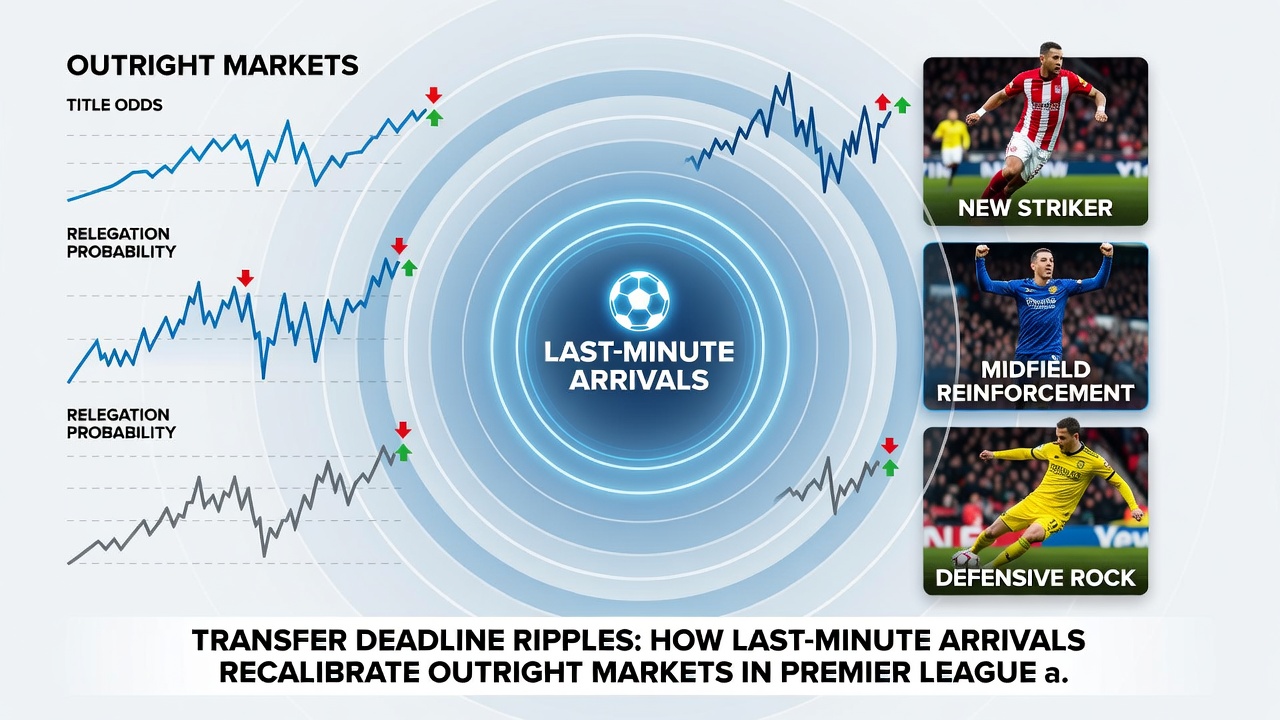
One study published by researchers at the University of Manchester examined EFL promotion races between 2018 and 2024 and found that clubs completing deadline-day deals for players with at least 20 prior league appearances improved their promotion probability by an average of 8.4 percentage points. The same analysis showed that Championship teams adding centre-backs in the final week reduced their relegation risk by measurable margins once the new arrivals integrated into matchday squads. These adjustments ripple through outright markets because bookmakers recalibrate entire divisions rather than isolated fixtures.
Broader Patterns Across Both Tiers
Deadline-day activity does not occur in isolation. Clubs monitor rivals' movements in real time, which creates chain reactions when one signing prompts a counter-move elsewhere. Premier League sides have been known to accelerate negotiations for backup options once a direct competitor lands a targeted player, and EFL clubs often follow similar patterns when promotion races tighten. According to a report from the European Club Association, the average number of deadline-day deals across English football rose from 47 in 2022 to 68 in 2025, indicating growing strategic emphasis on late-window flexibility.
Player fitness and contract status add further variables. A late arrival recovering from injury may produce smaller immediate market shifts than a fully fit counterpart, while a signing on loan with an obligation to buy can trigger different odds adjustments than a permanent transfer. Those tracking outright markets therefore examine not only the identity of the player but also the structure of the deal and the timing relative to pre-season preparation.
Conclusion
Last-minute transfers continue to reshape outright markets in both the Premier League and EFL because they alter squad composition at the precise moment when final preparations for the campaign begin. The resulting odds movements reflect measurable changes in projected performance rather than speculation, and the pattern repeats each summer as clubs finalise rosters before the window closes.