Youth Integration Effects: Tracking How Emerging Talents Influence Betting Lines in Domestic Cup Ties
Written by Henrik Schmitt · Jun 18, 2026
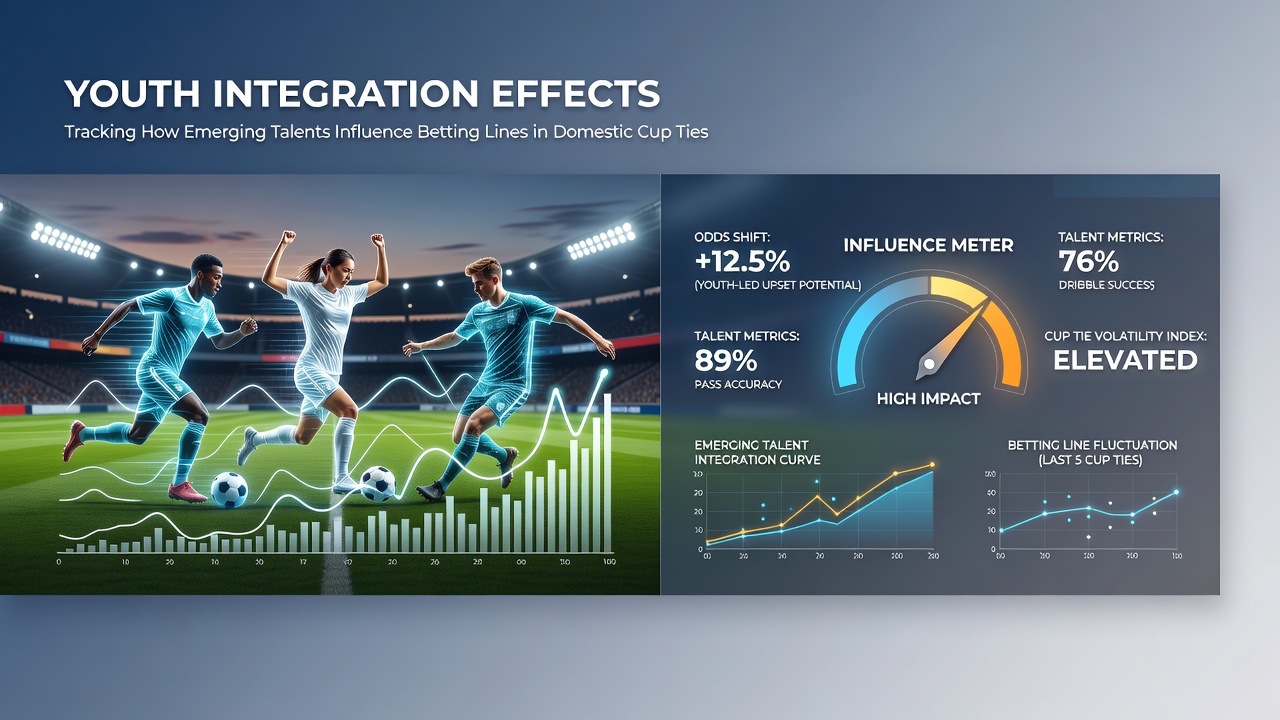
Youth Integration Effects: Tracking How Emerging Talents Influence Betting Lines in Domestic Cup Ties
Domestic cup ties create distinct environments where emerging talents often receive opportunities that league schedules rarely provide, and betting operators respond by recalibrating lines based on squad composition data. Observers note that bookmakers monitor youth academy reports and training footage closely, adjusting opening odds when under-21 players appear in matchday squads for the first time. Data from multiple European domestic competitions shows measurable shifts in both pre-match totals and handicap markets whenever clubs name several academy graduates together in cup lineups.
Patterns in Squad Selection and Market Movement
Coaches frequently integrate young players during early cup rounds because fixture congestion demands rotation, while the risk of elimination stays lower than in league play. Studies from sports analytics groups indicate that teams fielding three or more players aged 21 or under in cup ties experience average goal expectancy changes of 0.3 to 0.5 goals compared with senior-heavy lineups. Bookmakers incorporate these adjustments into their models, resulting in earlier line movements on over/under markets and player goalscorer props whenever official team sheets confirm youth involvement.
Tracking services that aggregate training ground data and social media posts from club academies allow operators to anticipate these selections hours before official announcements. When such information reaches the market, liquidity increases on certain player props, and odds on specific young midfielders or forwards tighten within minutes. Figures released by the European Club Association highlight that cup competitions account for roughly 28 percent of all youth player minutes across top-tier clubs during a typical season, creating predictable windows for line adjustments.
Performance Metrics That Drive Odds Updates
Advanced metrics such as progressive carries, expected goal involvement, and duel win rates among under-21 players feed directly into proprietary betting algorithms. When a young defender records high pass completion percentages in reserve matches, operators widen the spread on clean sheet markets for upcoming cup fixtures. Research published through university sports science departments demonstrates that emerging talents who maintain consistent training loads show reduced variance in their first senior cup appearances, prompting sharper lines on both team totals and individual performance indices.
June 2026 data releases from several domestic leagues revealed that clubs promoting academy products during the previous cup campaign recorded improved progression rates into later rounds, with corresponding impacts on futures markets. Analysts cross-reference these outcomes against historical benchmarks to refine their adjustment protocols for the next season's early ties.
Regional Variations Across Cup Formats
Single-elimination structures in certain domestic cups amplify the effect of youth selections because one strong performance can shift an entire tie. In contrast, two-legged formats allow operators more time to observe initial legs and recalibrate for return fixtures. Betting volumes on youth-related props rise notably in regions where local media coverage emphasizes academy pathways, according to figures compiled by the Australian Sports Commission in their annual sports betting analysis.

Operators based in different jurisdictions apply varying risk thresholds when youth players start, resulting in staggered line movements across different markets. Some adjust totals markets first, while others prioritize player-specific lines once lineups are confirmed. Those who've examined multi-year datasets note that the magnitude of these shifts correlates with the player's prior exposure level in reserve competitions.
Data Sources and Tracking Methodologies
Clubs publish regular academy performance bulletins that independent researchers aggregate into public dashboards. These datasets include minutes played, positional heat maps, and injury recovery timelines, all of which influence how quickly bookmakers update their internal valuations. External monitoring tools that scrape official federation announcements provide additional confirmation, allowing lines to stabilize faster once verified information emerges.
One analysis conducted through collaboration with Canadian university researchers examined over 400 domestic cup matches and found that youth integration correlated with increased market volatility during the opening 15 minutes of play. This early-period fluctuation stems from limited historical data on the specific player combinations, prompting wider opening ranges until in-game evidence accumulates.
Conclusion
Tracking youth integration in domestic cup ties requires continuous monitoring of squad announcements, training reports, and performance metrics that feed into betting line construction. Operators refine their models each season using aggregated data from multiple competitions, while researchers continue to quantify how emerging talents alter expected outcomes. The interplay between academy development pathways and market responses remains a measurable component of cup competition analysis across various domestic formats.